|
|
||||||||||||||||||||||||||||||||||||||||||||||||||||
The Camps Bay
By Sean Phillips
·
RE/MAX
Living
|
||||||||||||||||||||||||||||||||||||||||||||||||||||
|
||||||||||||||||||||||||||||||||||||||||||||||||||||
Why are there so few properties to buy in Cape Town, and why have prices gone mad? |
||||||||||||||||||||||||||||||||||||||||||||||||||||
|
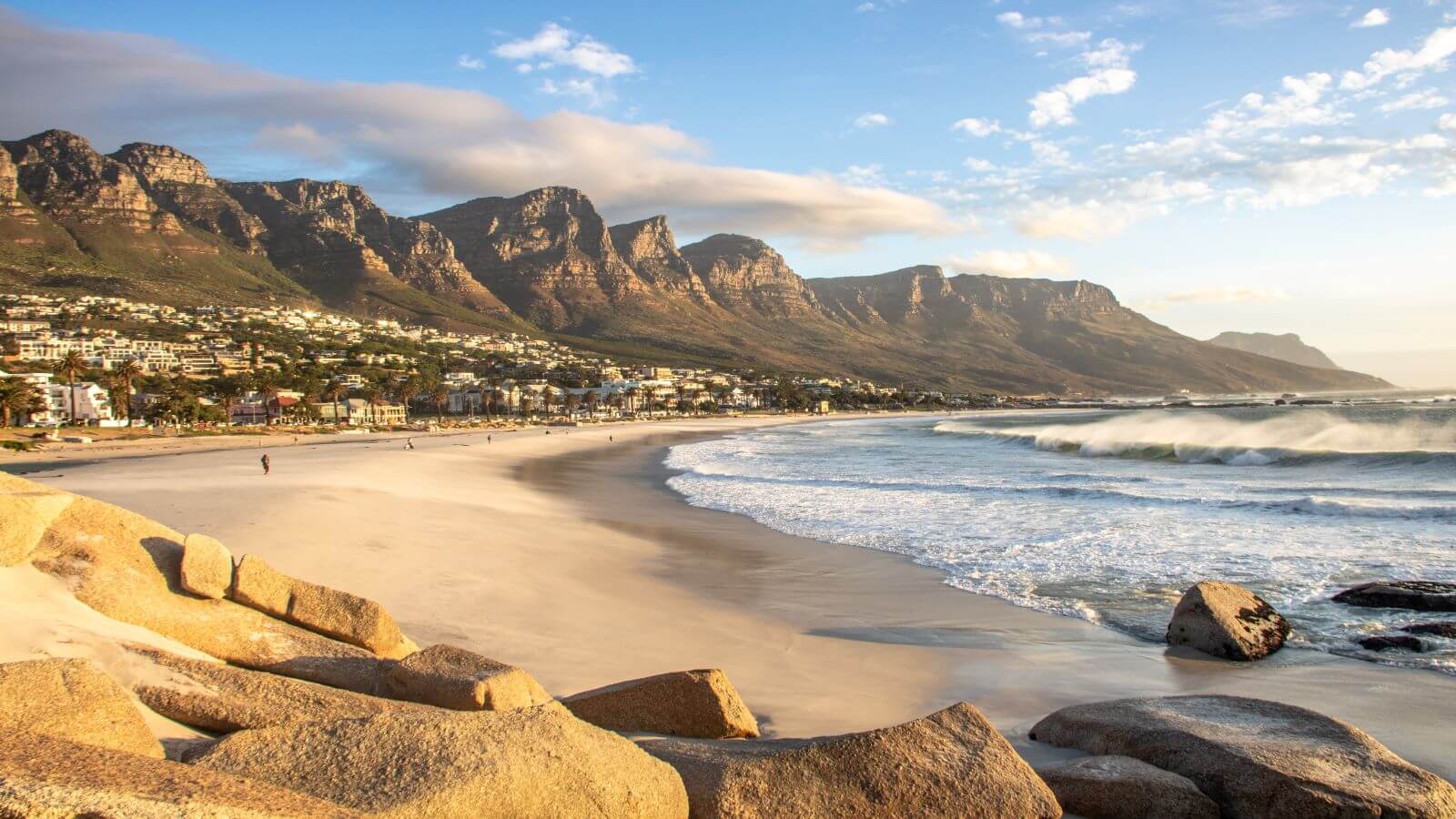
We all know that price is determined by supply and demand - limited stock means higher prices. But what actually changed? To answer that, we need to go back in time and ask why we used to have the opposite problem: surplus stock, with properties sitting on the market for months with very few buyers. One of the biggest reasons was the introduction of load shedding in South Africa. Load shedding crippled South Africa's growth and competitiveness for over a decade and cost the economy hundreds of billions of rand a year. Property owners left in droves. Thereafter, we had the drought from 2015 to 2018. This became a full-blown global news story in 2017 when the city started counting down to Day Zero. I remember everyone having green swimming pools, no grass, and not being able to shower at the golf club after coming off the course. Then the rain finally came down and saved the day! But it definitely didn't do Cape Town any favours at the time. In March 2020, Moody's, the last of the major credit rating agencies, downgraded South Africa to junk status. Many international investors left. Then COVID hit - we went into lockdown on the 26th of March 2020, and the National State of Disaster was only lifted in April 2022. I don't have to explain what COVID did to the tourist market - it was nonexistent! Then came all the negative political rhetoric prior to the National General Elections in 2024. The radical parties, such as the EFF and MK, were screaming "white monopoly capital" and calling for expropriation without compensation. The DA even ran an ad campaign showing a burning SA flag, implying the country would go up in flames if the ANC partnered with parties like the EFF or MK. There are other negative factors I haven't mentioned - but if it had gone the other way, we were literally dead and buried. In my personal experience, the General Election on the 29th of May 2024 was the game-changer. Ironically, Jacob Zuma saved the day by splitting the ANC vote. For the first time in 30 years, no single political party was in control. In the end, the ANC-DA coalition (Government of National Unity) was seen as the favourable outcome, and it triggered an instant relief rally in the rand and bonds and instilled positive buyer sentiment. From that day forward, we entered a seller's market - the market literally turned on its head. Stock dried up, and buyers came knocking! So here we are today. We literally have hundreds of buyers - I'm not kidding - and very little to sell them. Every property owner will tell you they're hounded by agents daily, asking them to sell at great prices. The numbers back this up. Atlantic Seaboard residential prices were up 10% year-on-year by late 2025. Almost 50 homes above R20 million sold on the Seaboard in the last six months alone, pushing the average sale price in the area to R23.25 million. In the City Bowl, 71% of listings are selling within 30 days. This isn't a feeling - it's what the deeds office data shows. So why won't Cape Town property owners sell? Number 1 - you can't beat Cape Town. The natural beauty, the Mediterranean climate, the beaches, excellent wine farms, world-class golf courses, trendy restaurants, Woolworths, exclusive gyms on every corner, first class medical centres, the most delicious tasty food, excellent value for money relative to the rest of the world, the people (we're one of a kind), the quality of life, etc - I could write for hours on all Cape Town has to offer. Number 2 - where would they go? Definitely not abroad. The rest of the world is in mayhem - war in the Middle East, political uncertainty in the US, and a humanitarian crisis in Europe. Sellers aren't fleeing Cape Town for greener pastures overseas - if anything, the rest of the world is reminding them why they bought here in the first place. Number 3 - there is not much change left in the sellers' pockets. In the past, a seller could retire to George, Knysna, Plettenberg Bay, Hermanus, or somewhere on the West Coast, and buy a beautiful place for a song. Not anymore. As semigration has poured buyers into every corner of the Western Cape, prices in these towns have risen right alongside Cape Town's. Run the numbers honestly: sell in Cape Town at a great price, then deduct Capital Gains Tax, the agent's commission, what you'll now pay for a home in one of these towns, and the transfer duty on that new purchase - there simply isn't much change left over. So where does that leave us? If you're considering selling, now is a great time. If you're considering buying, I'd buy now. Buyers ask me, "But aren't I buying at the top of the market?" My answer is always no - we haven't seen prices peak yet. Every holidaymaker who visits our shores goes home and tells their ten best friends what an awesome place Cape Town is. They then come and visit and ultimately buy. For the first time in a long time, our financial fundamentals are in place: two credit rating upgrades, a stabilising rand, and falling bond yields, with international business increasingly viewing Cape Town as the Gateway into Africa, home to many of the fastest-growing economies in the world. A word of caution to sellers: most buyers are astute - especially those buying properties valued at more than R10 million - and will compare your property to others on the market. It's imperative to use the services of an area specialist with a proven track record to price your property correctly. An overpriced property becomes stale, and you'll ultimately achieve a much lower price than if you'd priced it right from the outset. If you're considering selling or just want to know what your property is worth in today's market, please reply to this email. |
||||||||||||||||||||||||||||||||||||||||||||||||||||
|
Yours sincerely, |
||||||||||||||||||||||||||||||||||||||||||||||||||||

Sean Phillips Atlantic Seaboard Luxury Property Specialist
|
||||||||||||||||||||||||||||||||||||||||||||||||||||
|
||||||||||||||||||||||||||||||||||||||||||||||||||||
|
||||||||||||||||||||||||||||||||||||||||||||||||||||
|
The State of the Market Five numbers, one suburb, one month |
||||||||||||||||||||||||||||||||||||||||||||||||||||
|
||||||||||||||||||||||||||||||||||||||||||||||||||||
What's for saleActive Camps Bay listings · as at 30 June 2026 · n=46
Thirteen of the forty-six homes for sale are asking R30 to 40m, the thickest band on the board. |
||||||||||||||||||||||||||||||||||||||||||||||||||||
What's selling2026 Camps Bay sales · Propstats, 1 Jan to 30 June · n=24
Twenty-four sales so far this year, the R20 to 29m band the largest single group. |
||||||||||||||||||||||||||||||||||||||||||||||||||||
|
A closer look at the stock What's for sale, by typeAll 46 active listings · 30 June 2026
|
||||||||||||||||||||||||||||||||||||||||||||||||||||
|
Currently Represented Eight properties, this monthA curated selection from this month's portfolio, from a R94.5 million oceanfront penthouse to a R13 million residential plot. |
||||||||||||||||||||||||||||||||||||||||||||||||||||
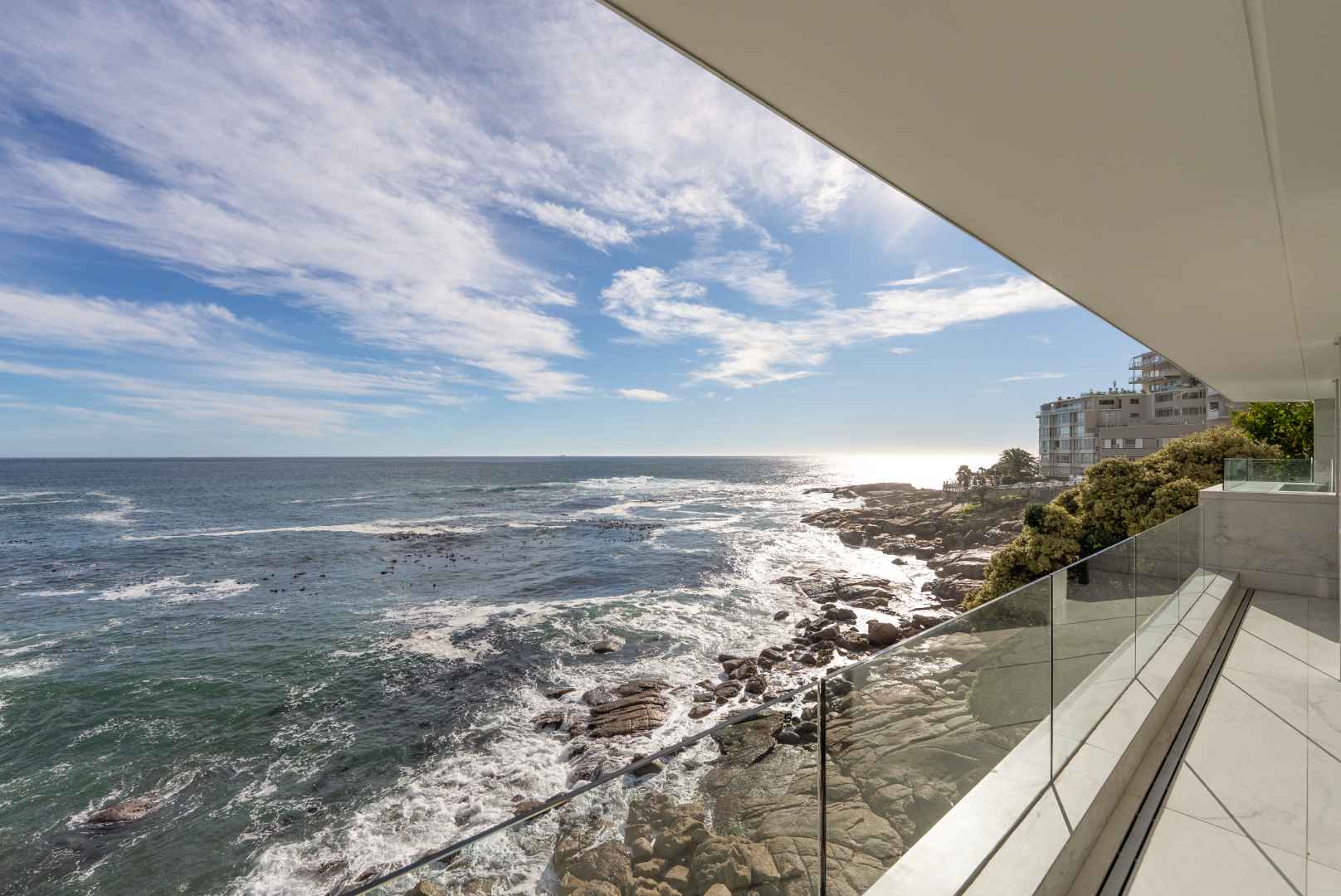
An exceptional oceanfront penthouse A whole-floor residence of approximately 550m², right on the rocks of Bantry Bay, with breathtaking Atlantic Ocean views and an unparalleled level of privacy. Expansive reception areas open onto sea-facing terraces with a private, heated pool, for entertaining and relaxed coastal living. |
||||||||||||||||||||||||||||||||||||||||||||||||||||
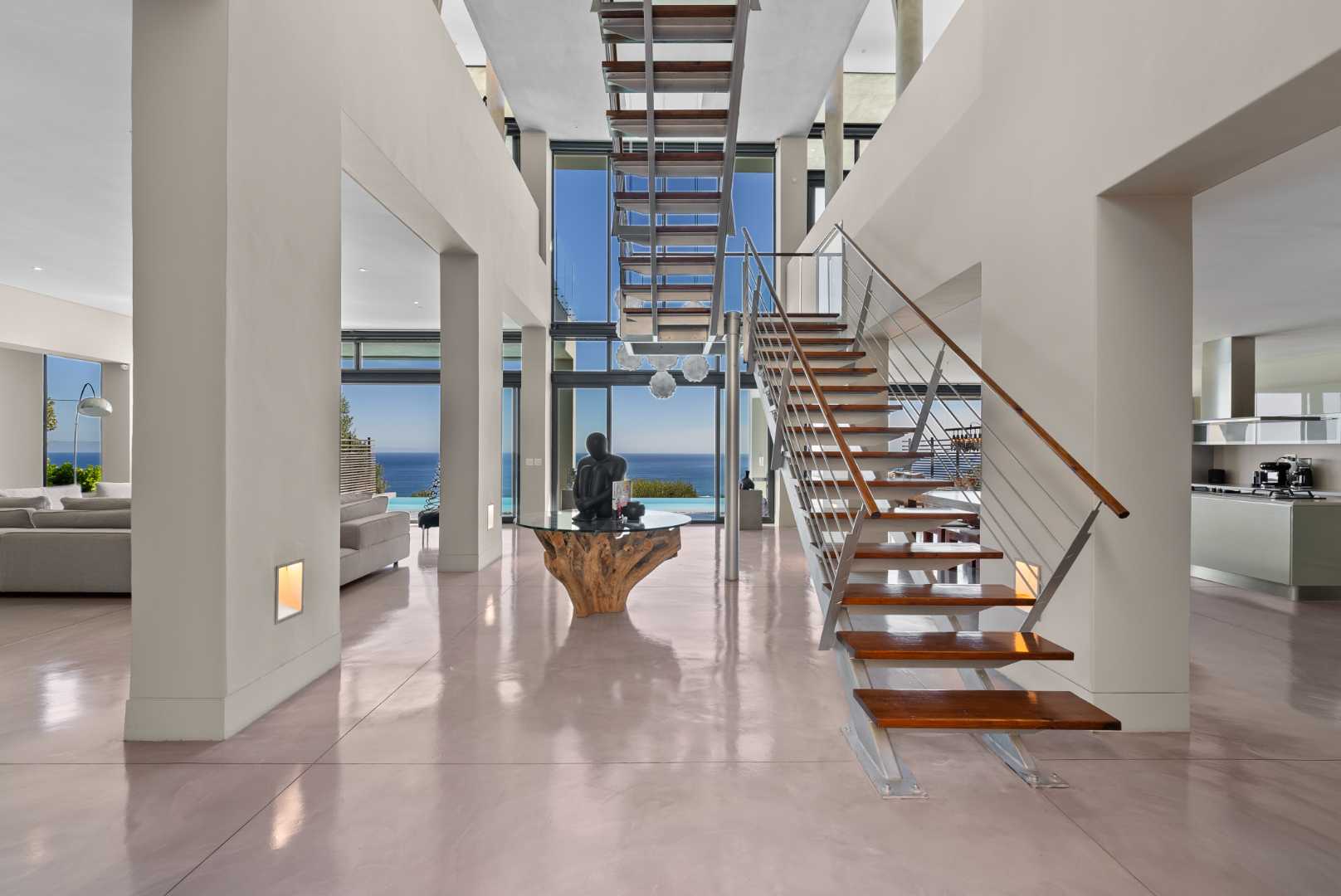
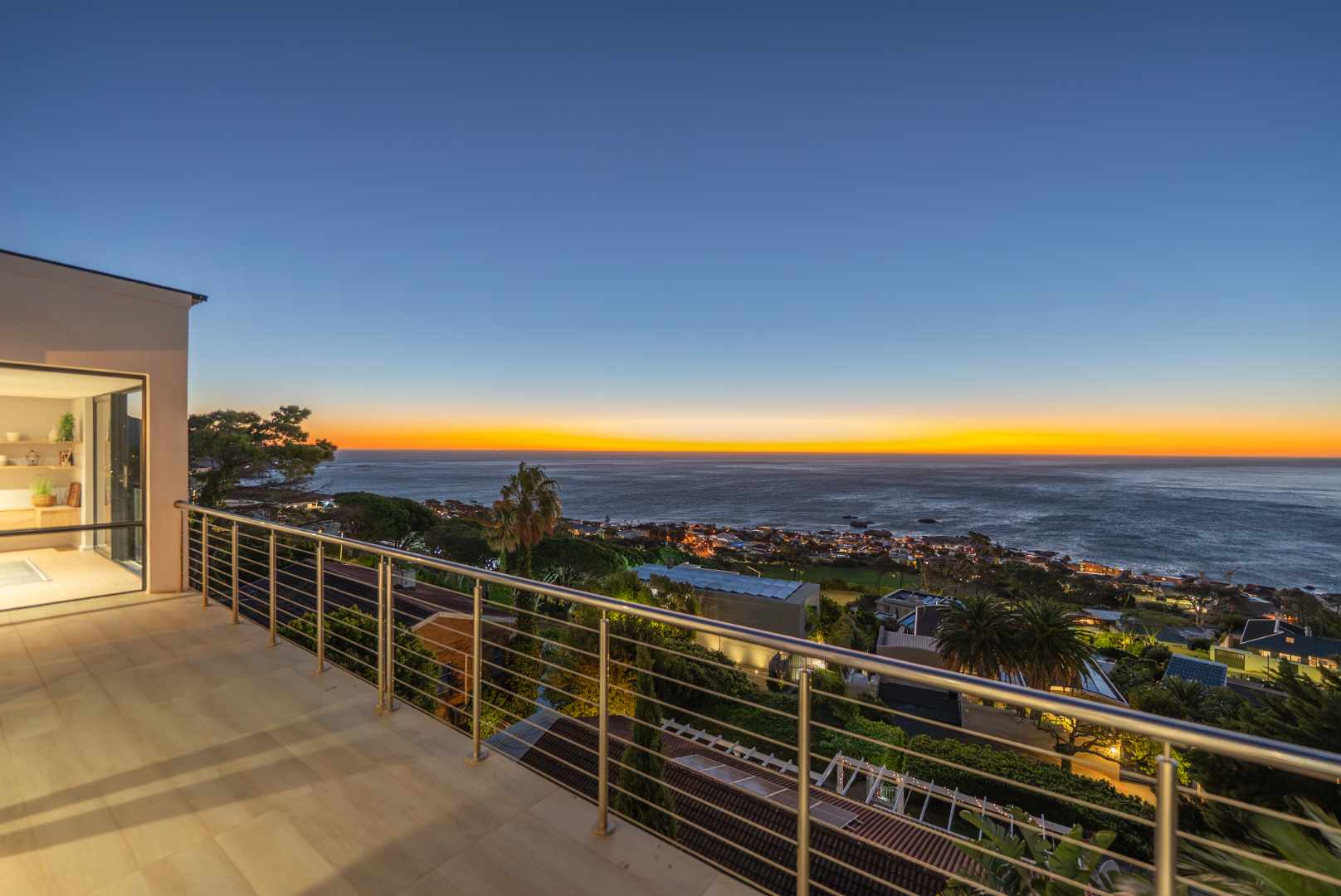
A rare architectural masterpiece Iconic Camps Bay views. Double-height living, a sculptural cantilevered staircase, and a level of finish that rewards a second look. Among the strongest pieces of architecture currently on the market. |
||||||||||||||||||||||||||||||||||||||||||||||||||||
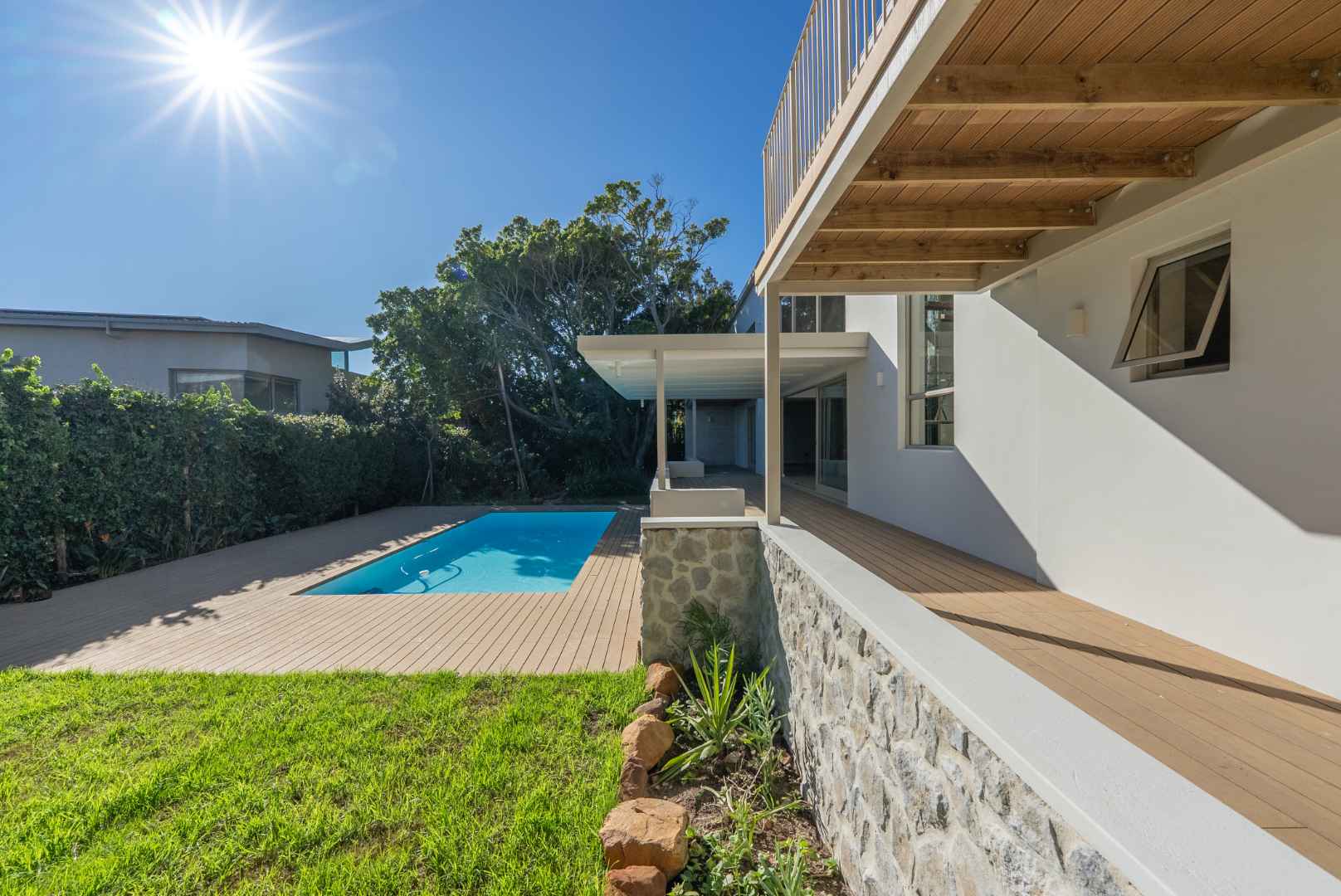
A sophisticated five-bedroom designer home In the heart of Camps Bay. Designer-led interiors, generous proportions, and a layout that reads as confidently for entertaining as it does for everyday living. |
||||||||||||||||||||||||||||||||||||||||||||||||||||
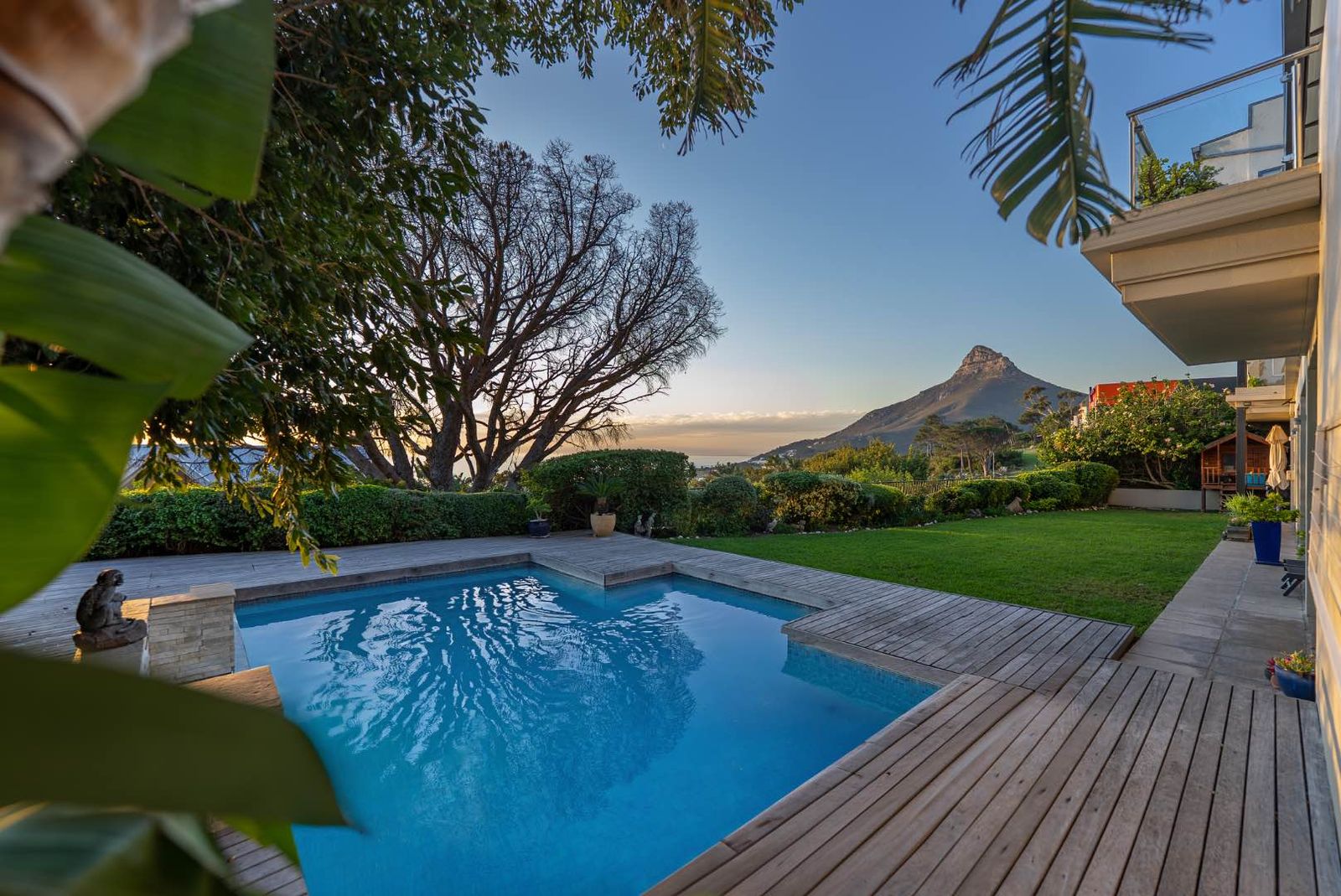
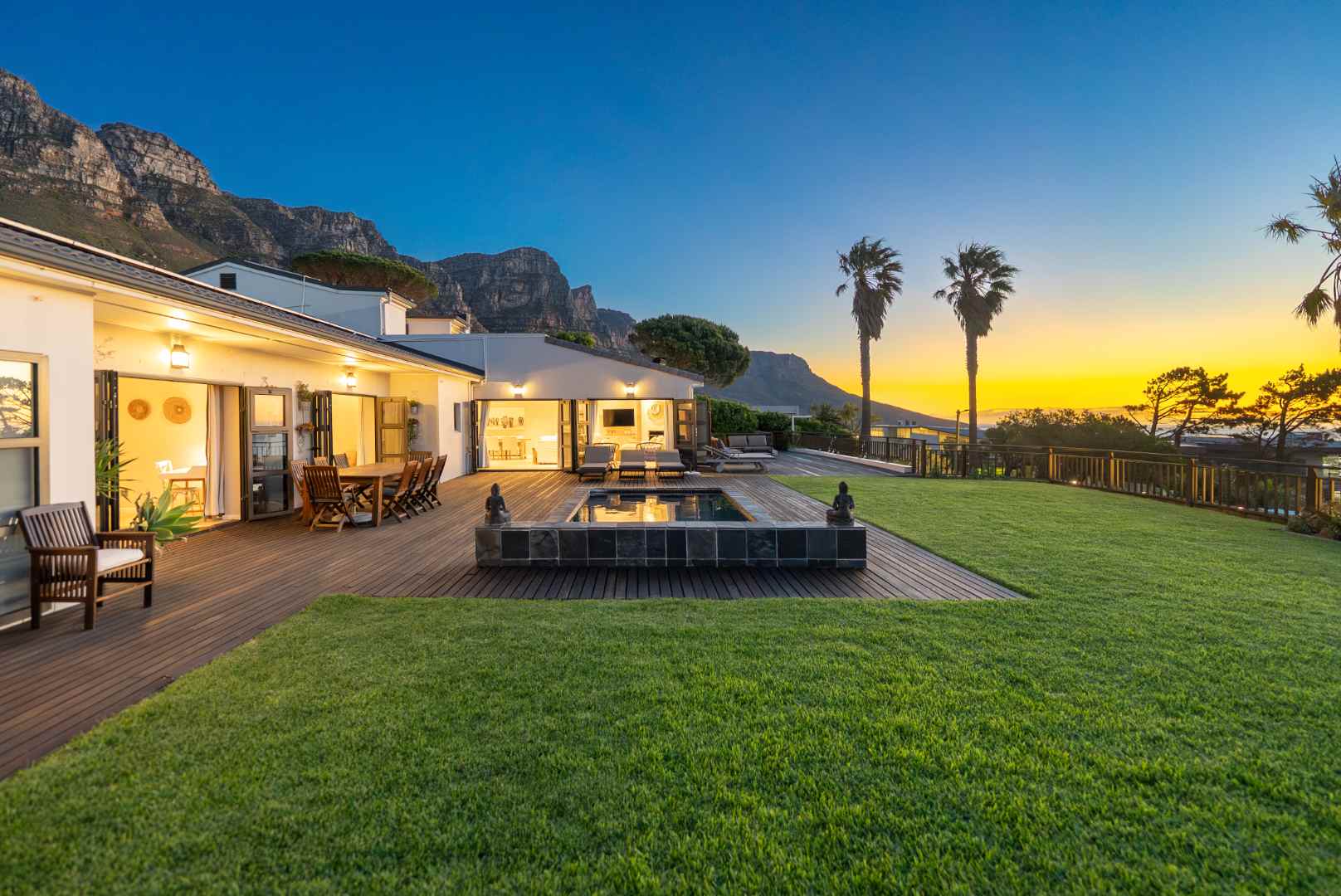
An unbelievable opportunity A blue-chip Camps Bay address at a number that doesn't normally come this way. Pool, deck, classic Atlantic seaboard light. |
||||||||||||||||||||||||||||||||||||||||||||||||||||
|
||||||||||||||||||||||||||||||||||||||||||||||||||||
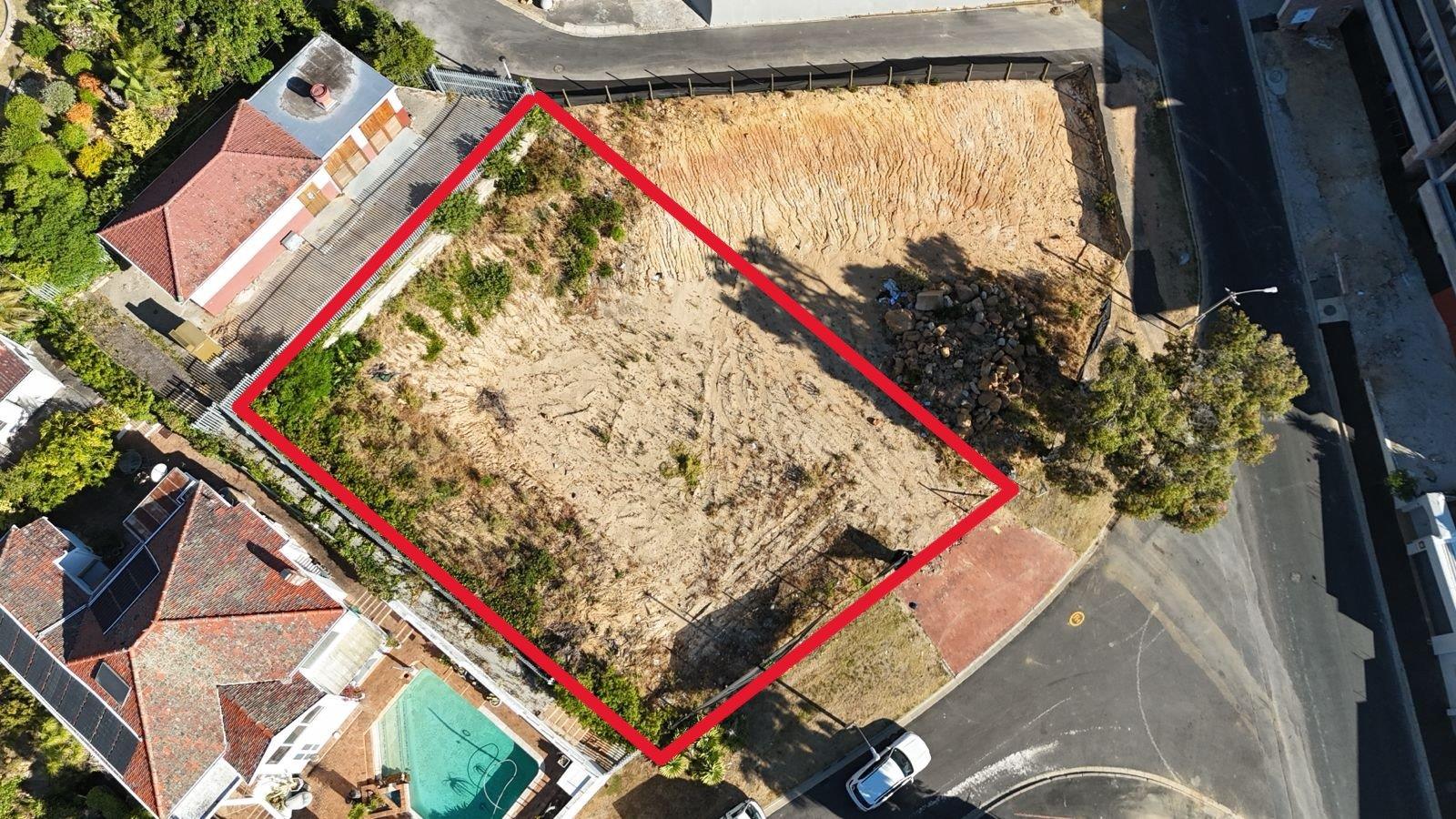
An exceptional development opportunity A rare development footprint in Camps Bay, for a buyer who would rather build than buy. |
||||||||||||||||||||||||||||||||||||||||||||||||||||
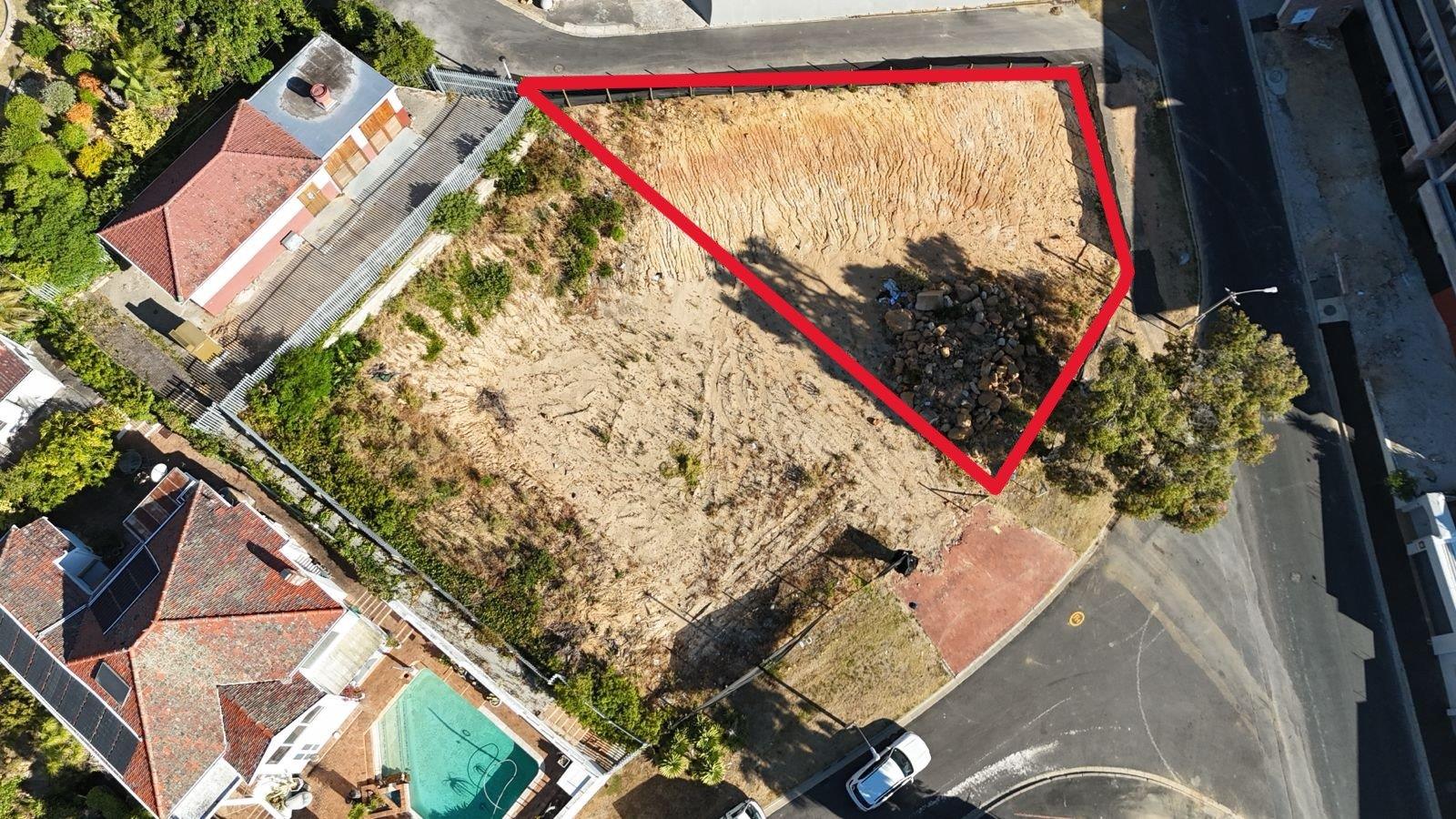
A prime residential plot Assembly potential, for a buyer who wants to commission rather than inherit. |
||||||||||||||||||||||||||||||||||||||||||||||||||||
© 2026 Team247 · RE/MAX Living, 76 Kloof Street, Gardens, Cape Town |
||||||||||||||||||||||||||||||||||||||||||||||||||||
|
|